



Winged Termites and Ants: Can You Tell the Difference? - Kingwood
Winged Termites and Ants: Can You Tell the Difference? - Kingwood

Published: Mar 09, 2020, 1:45pm
« Back to Kingwood News
Spring is termite and swarming time. When customers find them inside their homes on a beautiful spring day, Panic Happens.
But is it a termite or just a carpenter ant?
We ran a poll on Facebook to see if someone believed that they could tell the difference?
85 % of surveyors believed they could tell the difference and would be comfortable assuming they had one over the other. They considered themselves a "Bug Master".
15 % make a strong statement in stating NO and that they would require identification from an expert.
But here is the funnier part, when asked the questions, "what are the key identifiers between winged termites and winged ants?", only 2 % answered correctly.
Now to be real honest we polled a very small group of individuals and would love for anyone to leave a comment and answer our survey below.
Most people will either not know, or will assume the wrong assumption of pests. And for that reason alone, calling a pest professional for a termite inspection is imperative. A pest professional makes sure that they are knowledgeable about pests, and can answer your questions intelligently.
Termite control is big business and proper identification could mean the difference between a couple of hundred dollars to over thousand. Not to mention extensive damage if the pest is not properly identified. You also want a pest professional to spend quality time addressing any and all conducive conditions for termites, and carpenter ants.
We live in a perfect area in the world- great weather, beautiful trees and lots of moisture! But with all this lovely beauty comes all the pests, and termites are a common problem that should be addressed.
Key Identifiers when you are trying to determine if they are black flying ants or flying termites.
Winged Ants
*Antennae is elbowed
*Has a Narrow Waist
*Wings of unequal size
Winged Termites
*Straight Antennae
*Thick waist
*Wings are of equal size.
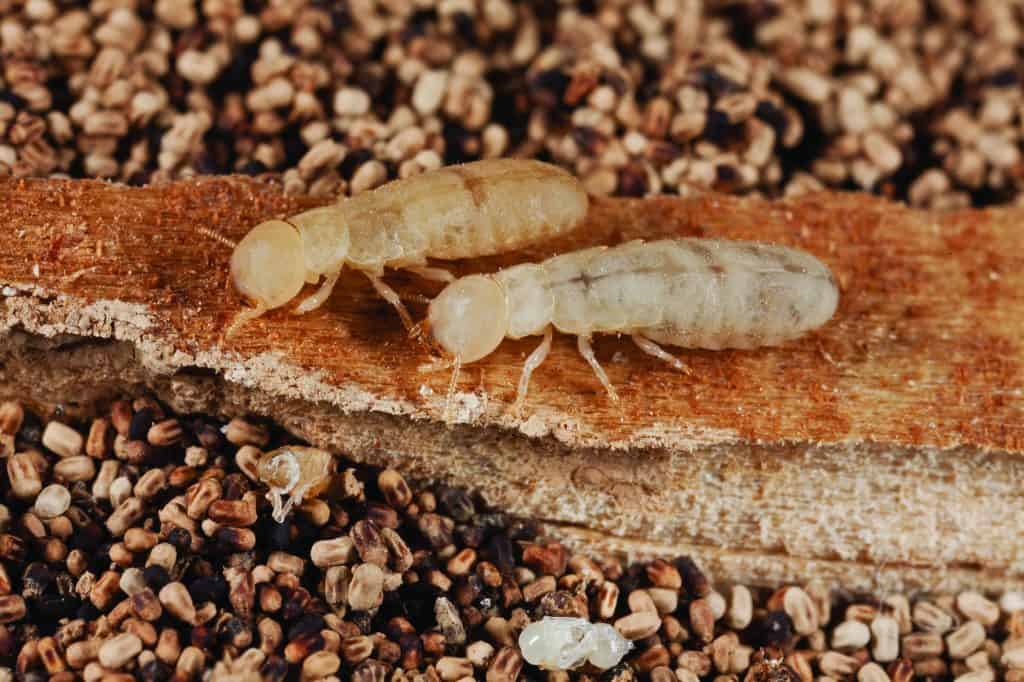
Termites need wood for food, but carpenter ants only use wood to create galleries and do not ingest the wood. Termites ALMOST always have to go into the soil and bring up moisture into the structure to survive. Carpenter ants don't have to go into the soil, and can potentially survive solely in the wood above the ground.
Termites can actually consume the studs and wood members of your home. Carpenter ants only bore into the wood, to create a safe and secure place to lay their eggs and care for their offspring. Carpenter ants love moisture and are looking for damp rotting wood in your home, so eliminating and drying up those moisture problems can help prevent and eliminate them.
In summary, we are dealing with two completely different pests, and it is important to hire a professional to do a thorough inspection of all parts of your home. Sometimes trying to save a few dollars can end up costing you much more when you do not know exactly what is lurking around inside your walls.
Camille Landry
Master Degree Entomologist, Technical Director
FullScope Pest Control
info@fullscopepestcontrol.com

Related News Stories:
Purgatory Scream Park Returns to Kingwood for 2026 Halloween Season
LaserAway Location Planned for Kingwood Commons
New Golf Experience Coming to Kingwood: Back Nine Golf
Constable Offers Vital Tips for a Safe Shopping Weekend
« Back to Kingwood News & Highlights