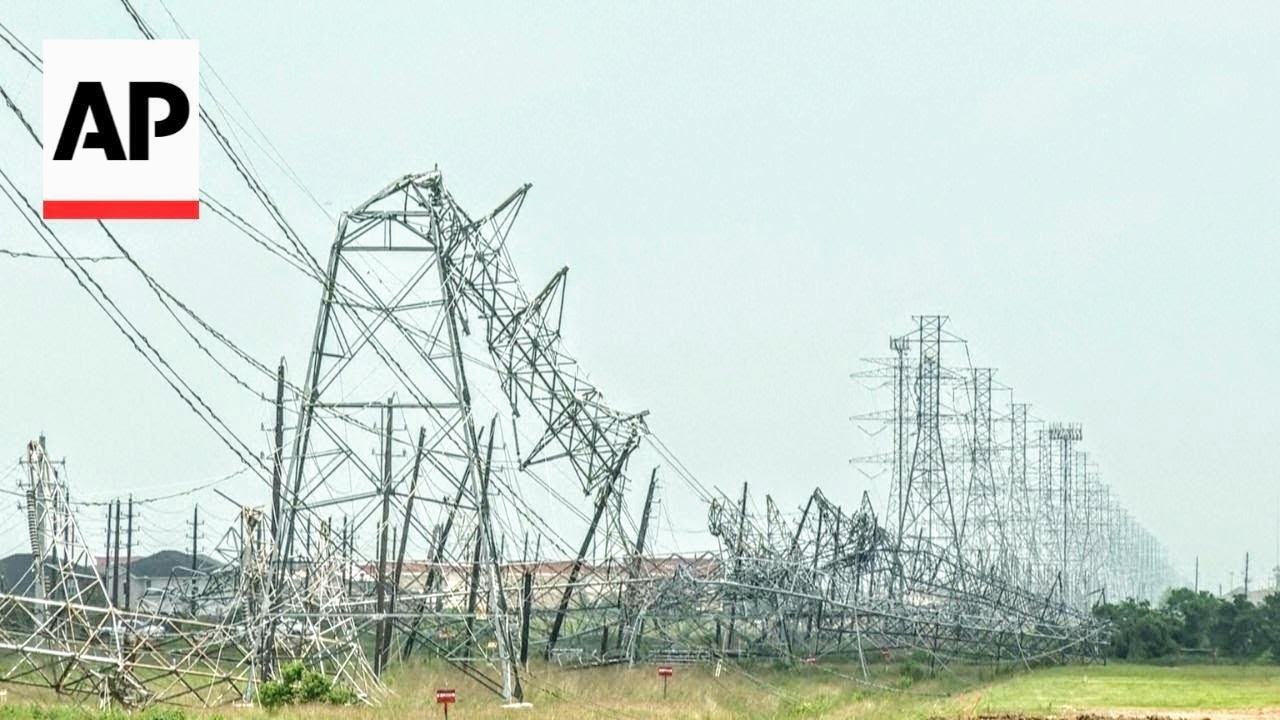
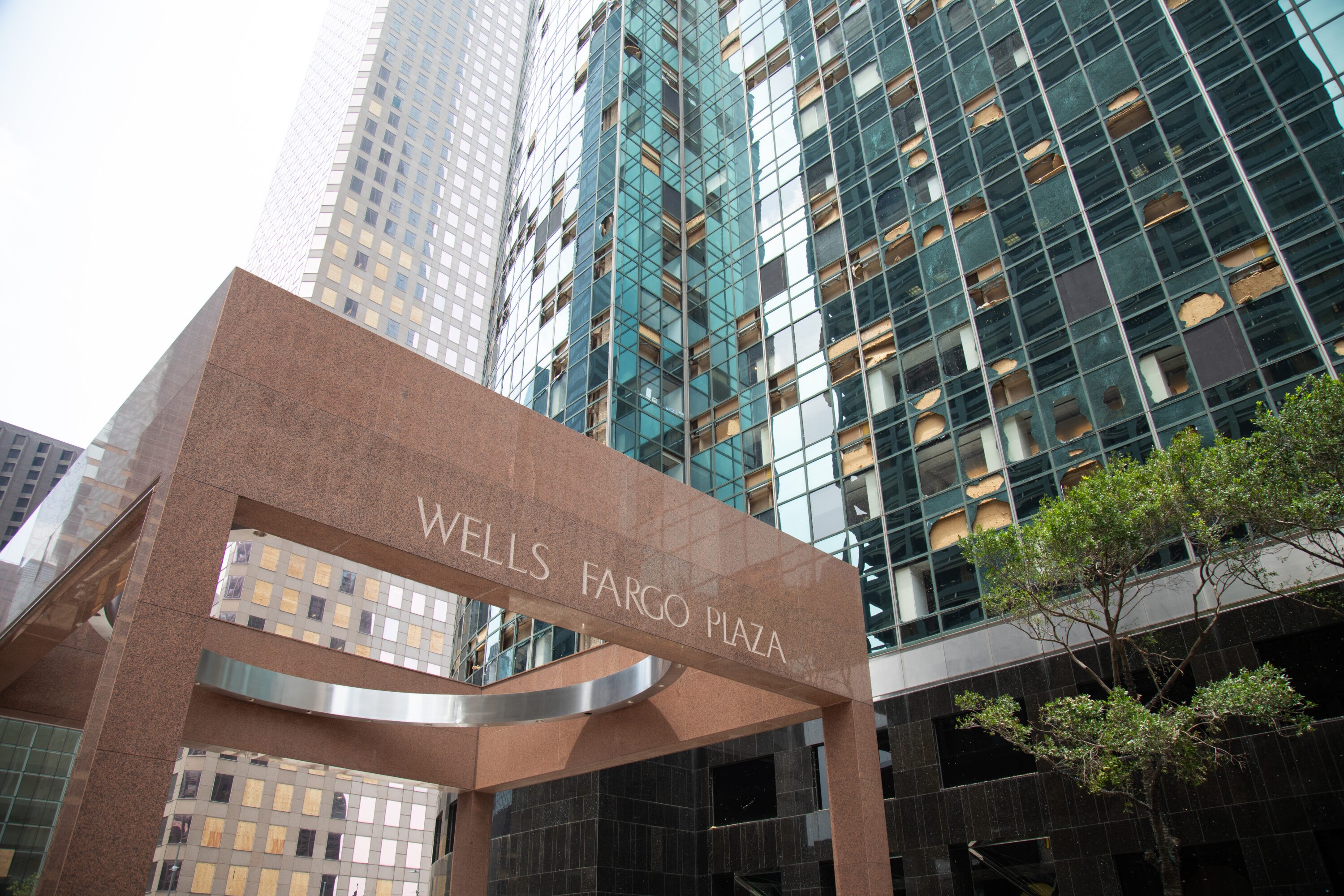
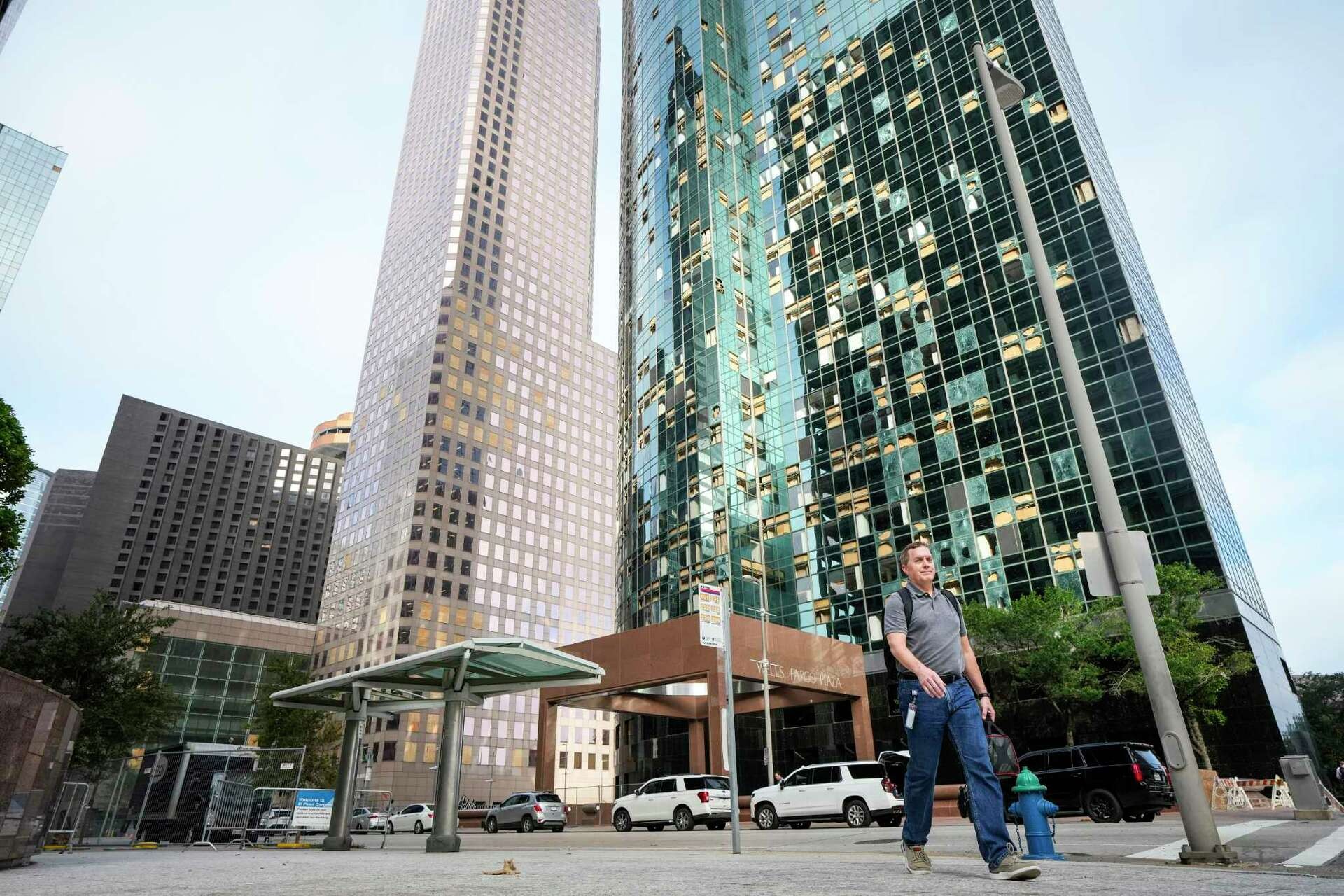
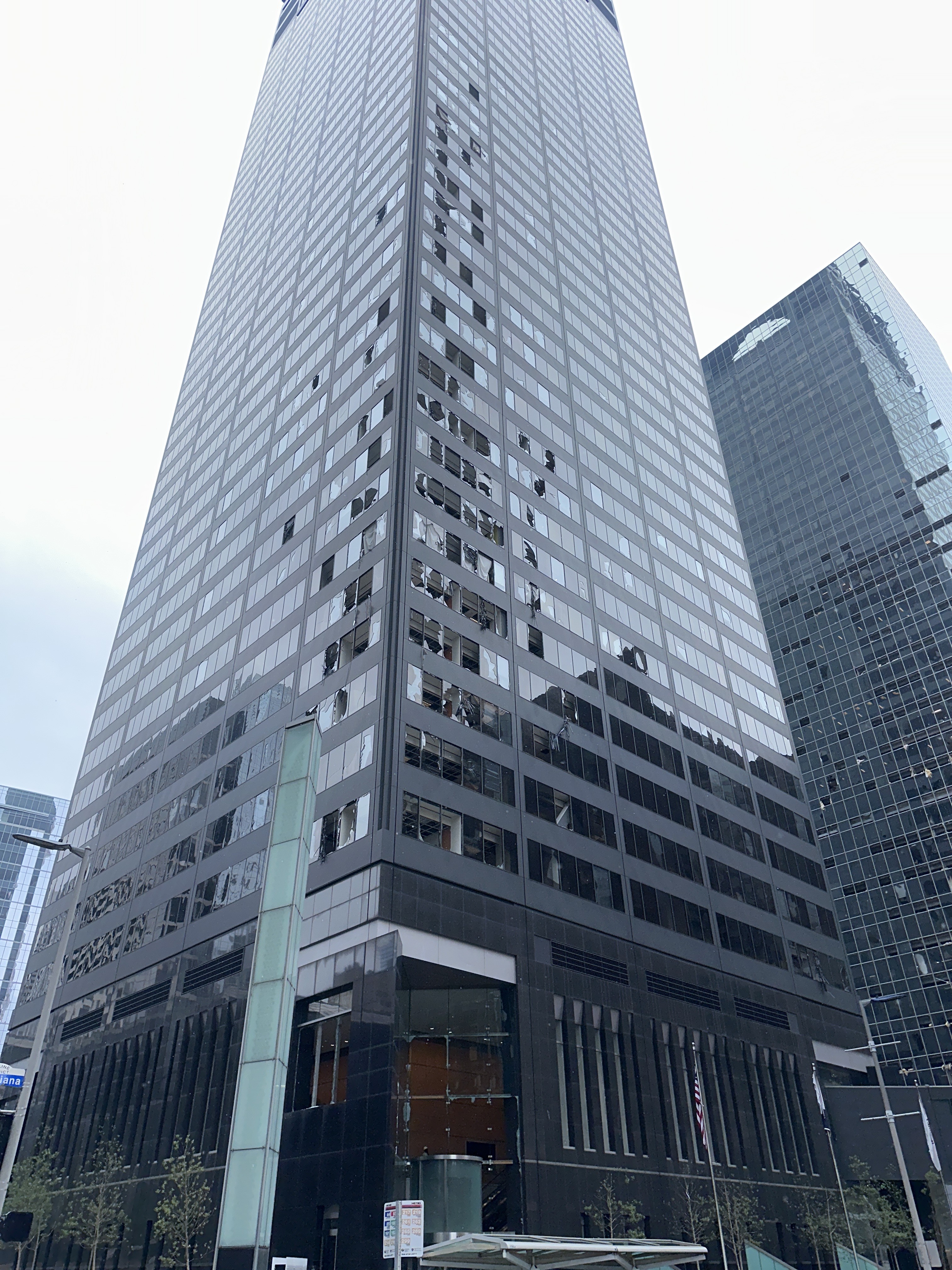
They are still doing repairs to some of the downtown buildings.
 Txbutterfly
 :
I dont doubt it! I read the following article a couple months ago. ⬇️
It talks about why the derecho caused more damage to the buildings downtown than the hurricane did.
Interesting read.
.....
From Chron.com
'Bouncing' winds could plague Houston skyscrapers, study finds.
Is the city's downtown grid problematic during bad weather events?
By Timothy Malcolm,
Weekend Editor
Feb 22, 2025
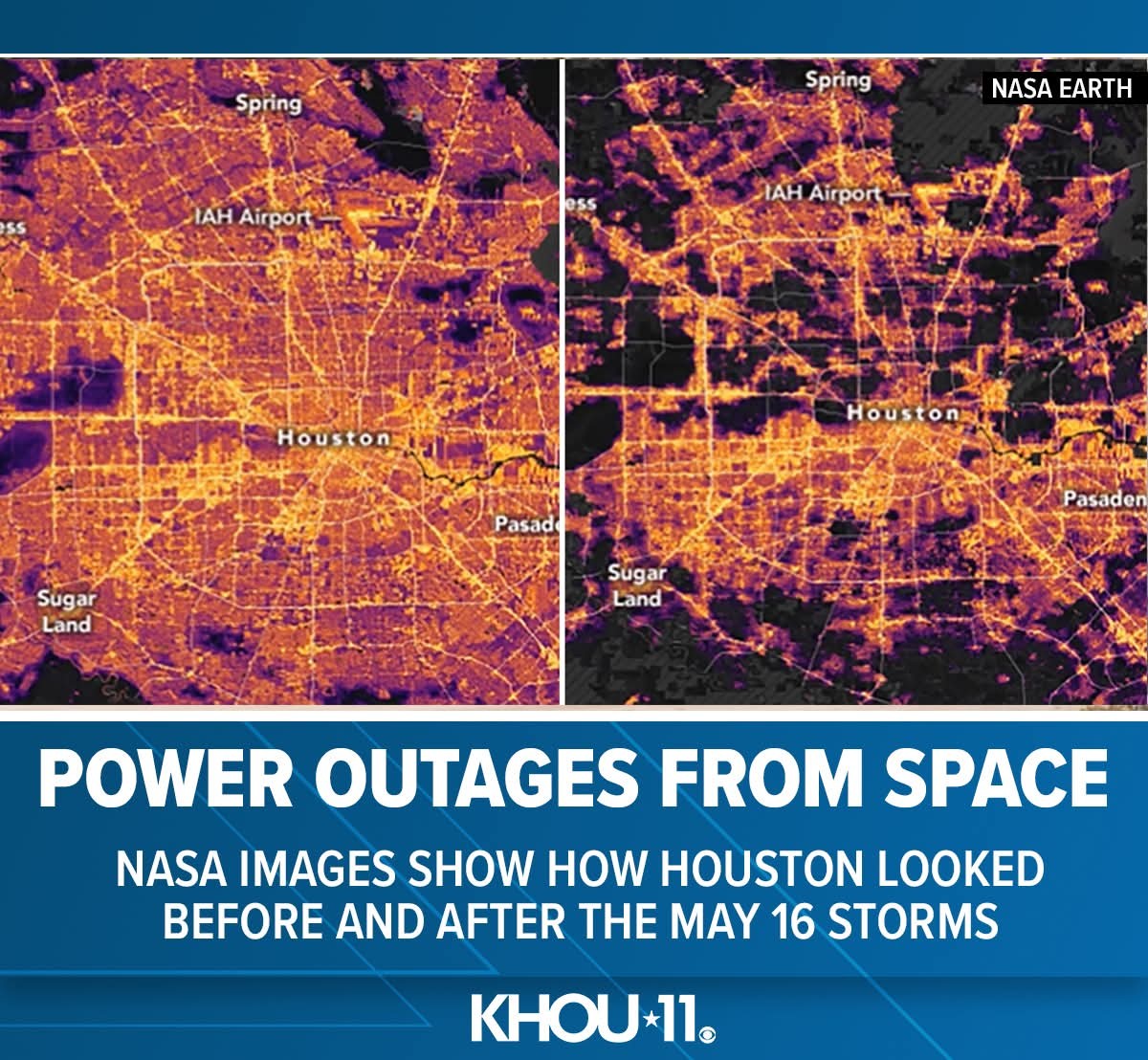
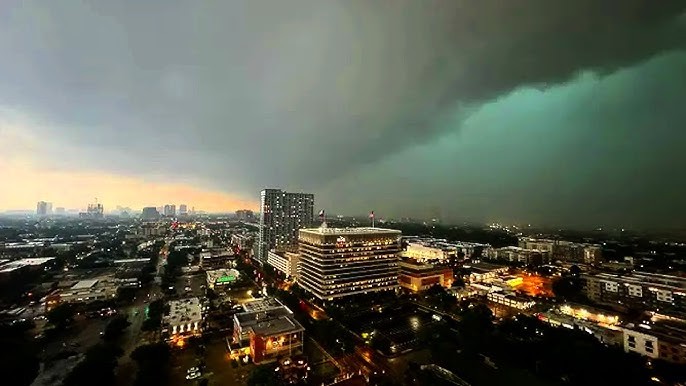
Less than one year after a derecho slammed Houston and caused significant damage to Downtown structures, a new study says buildings designed to withstand hurricane-force gusts are at a heightened risk in localized wind events.
The study comes from researchers at Florida International University (FIU), who published their findings in the peer-reviewed journal Frontiers in Built Environment. The researchers analyzed Houston skyscraper damage and impacts from both the May 2024 derecho and Hurricane Beryl in July 2024, then they conducted wind tunnel tests at the Natural Hazard Engineering Research Infrastructure Wall of Wind Experimental Facility in Florida, placing small skyscraper models in the path of simulated high-wind events, including downbursts.
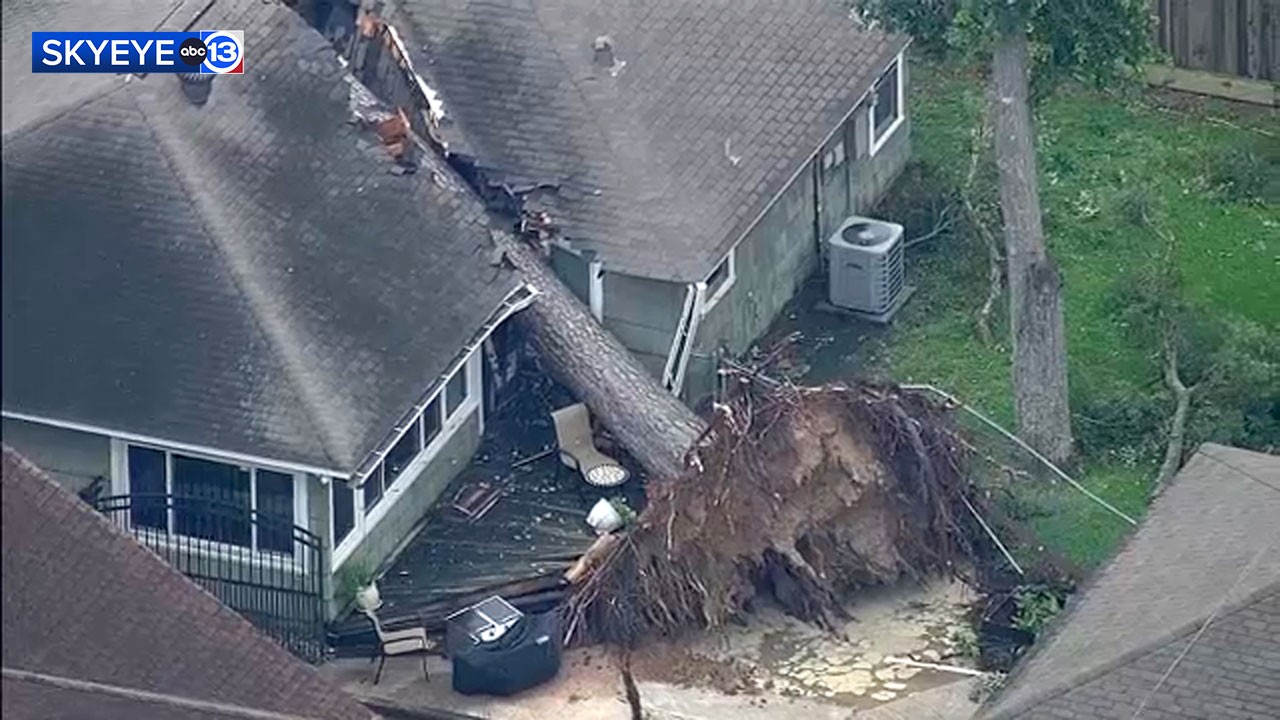
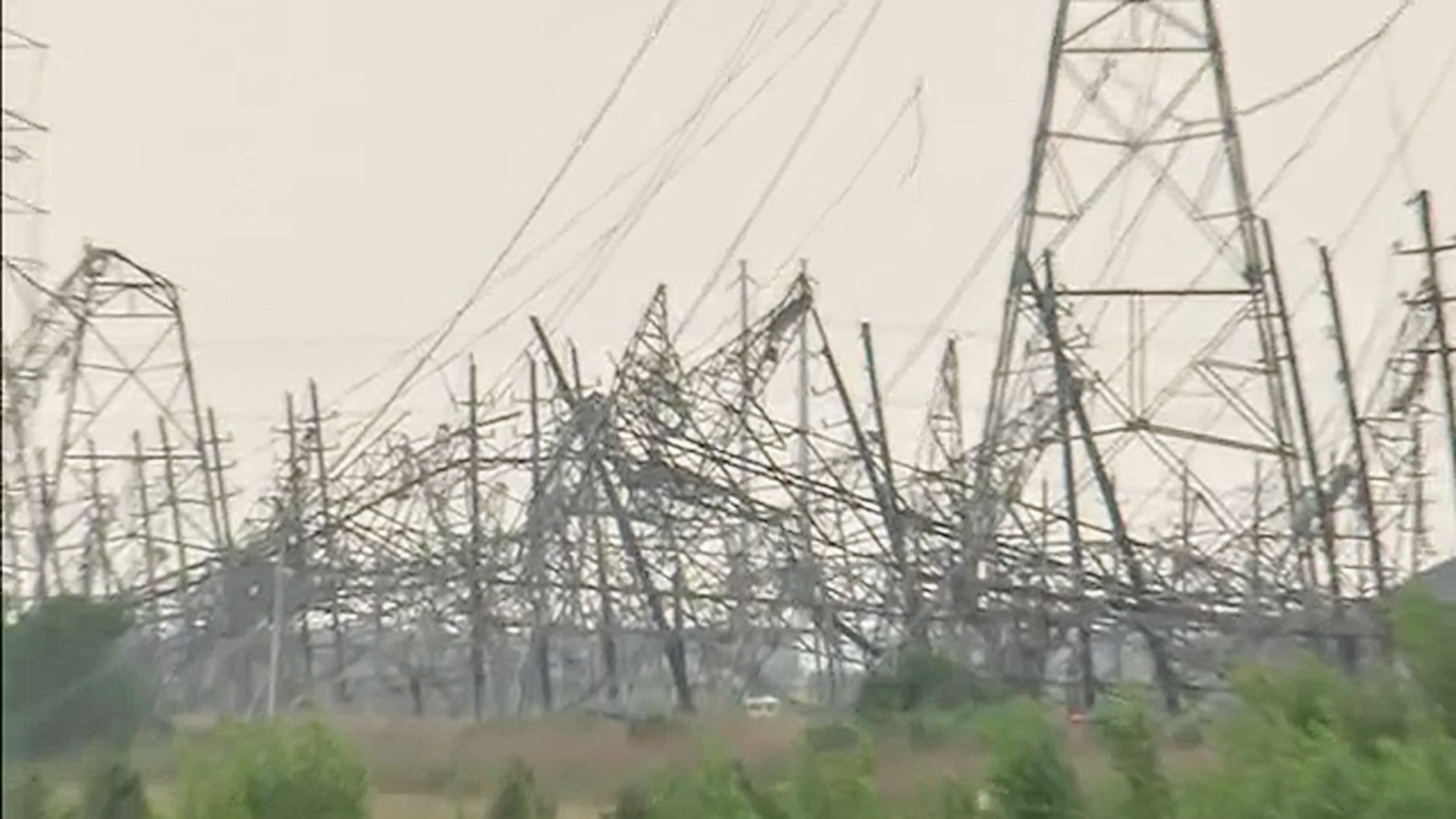
The Houston derecho produced wind speeds of up to 90 mph, while Hurricane Beryl's top wind speeds were nearly as strong; yet, the derecho caused substantially more damage to Houston skyscrapers, with around 4,000 broken windows reported. The researchers wondered how the events could produce such different results despite nearly similar wind speeds; plus, they wondered why there was so much damage when downtown skyscrapers are meant to withstand winds of 110 to 150 mph.
"The observed damage patterns, including extensive glass breakage and façade failures, underscore the need for a reassessment of wind effects on tall buildings to better reflect the complex interactions between wind forces and urban environments," the researchers wrote in introducing their work.
The researchers found after observing derecho and Beryl damage to downtown Houston buildings and sites-including the 741-foot-tall 1111 Louisiana St. (CenterPoint Energy Plaza), the 602-foot-tall 1500 Louisiana St. (Chevron Building), the 502-foot-tall 1001 Louisiana St. (El Paso Energy Building), the 518-foot-tall 1000 Main St. (RRI Energy Plaza) and the 551-foot-tall 1415 Louisiana St. (Wedge International Tower)-there exist "notable vulnerabilities in tall building façades," especially when grouped close together in downtown environments, which creates wind channels.
"Comparing the observations in both events, the damage resulted from the derecho was more severe than that resulted from the hurricane, despite comparable gust speeds," the researchers concluded. "This suggests that the unique loading characteristics of non-hurricane events, such as derechos and downbursts, can have a disproportionate effect on localized areas of building façades."
After conducting their wind tunnel experiments, the researchers found that winds similar to those experienced during downbursts like the derecho cause "much higher suction" on the sides of buildings. This may have been a factor leading to the various windows broken throughout downtown Houston during the derecho.
"When strong winds move through a city, they can bounce due to interference between tall buildings," Omar Metwally, a doctoral student at FIU who was the study's first author, told Frontiers. "This increases pressure on walls and windows, making damage more severe than if the buildings were isolated. On top of this, downbursts create intense, localized forces which can exceed typical design values for hurricanes, especially on the lower floors of a tall buildings."
The researchers wrote they hoped this and future work would contribute to developing "more resilient tall building designs," specifically as human-induced climate change is anticipated to bring more frequent and more intense storms to the Gulf Coast.
www.chron.com/weathe r/article/derecho-hu rricane-skyscrapers- houston-wind-20